Exploring the Effectiveness of PRP in Hair Restoration
Wiki Article
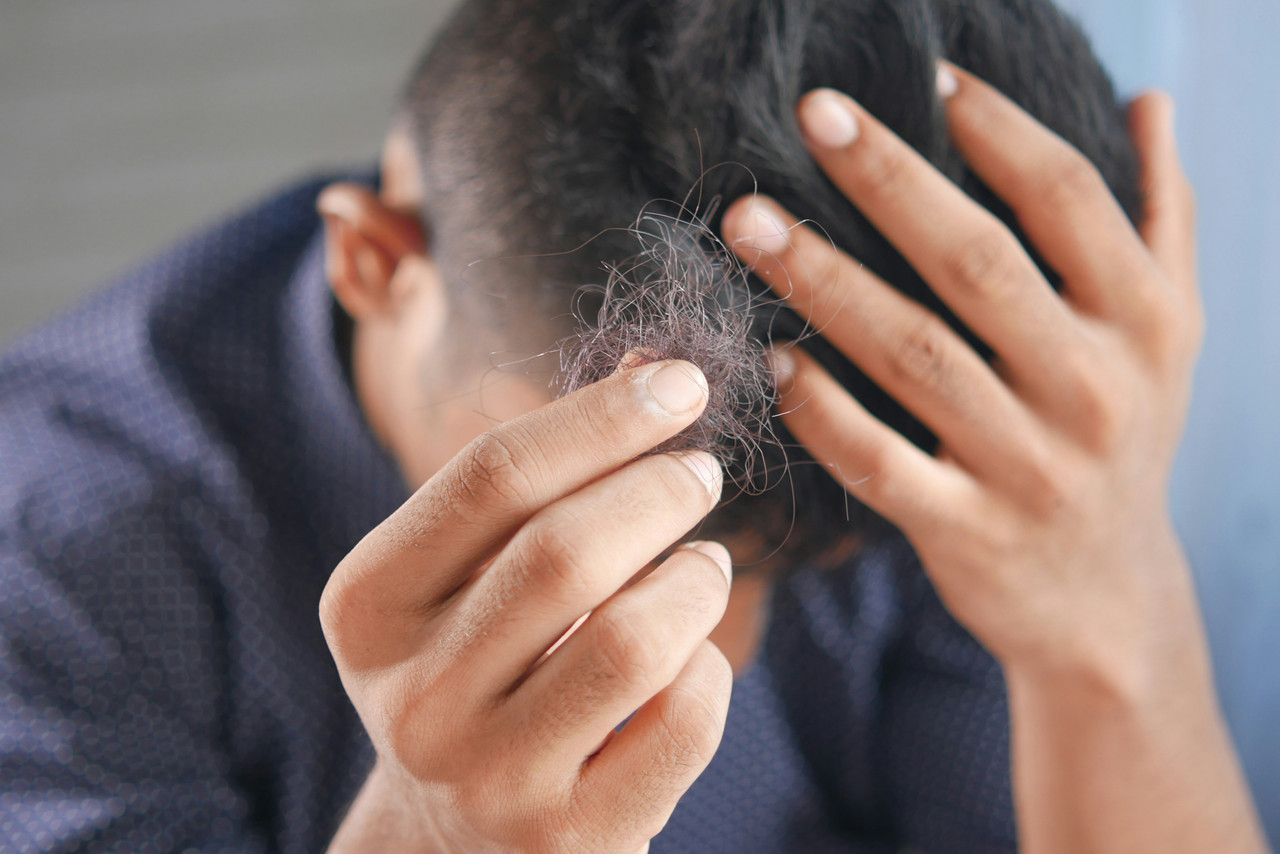
Hair loss affects millions of men and women worldwide, often affecting confidence and quality of life. Though topical treatments and oral medications are widely used, advancements in regenerative medicine have brought a new solution: Platelet-Rich Plasma (PRP). Backed by scientific research and clinical use, PRP has become a key player in non-surgical hair loss treatments.
PRP Explained: How It Supports Hair Growth
PRP is derived from the patient’s own blood. A small blood sample is taken and processed using a centrifuge to isolate plasma that is rich in platelets. The platelets are loaded with growth factors, which are essential for tissue repair and stimulating cell regeneration. Injected directly into the scalp, PRP revitalizes weak hair follicles, encouraging them to resume active growth.The science behind PRP lies in its ability to improve blood supply to the follicles, reduce inflammation around them, and activate stem cells in the follicle bulge. This combination helps slow down hair thinning and, in many cases, encourages thicker, healthier hair regrowth.
Clinically Proven Advantages of PRP in Hair Restoration
Clinical studies have shown that PRP can significantly improve hair density and hair shaft thickness, particularly in individuals with androgenetic alopecia. Since PRP comes from the patient’s own blood, the likelihood of allergic reactions or major side effects is minimal. This makes it an appealing option for patients looking for a natural, minimally invasive treatment.PRP is also highly versatile, complementing other hair loss treatments. It is often used to enhance the results of hair transplant procedures by accelerating healing and improving graft survival. For patients not ready for surgery, PRP can serve as a standalone treatment to slow progression and maintain existing hair.